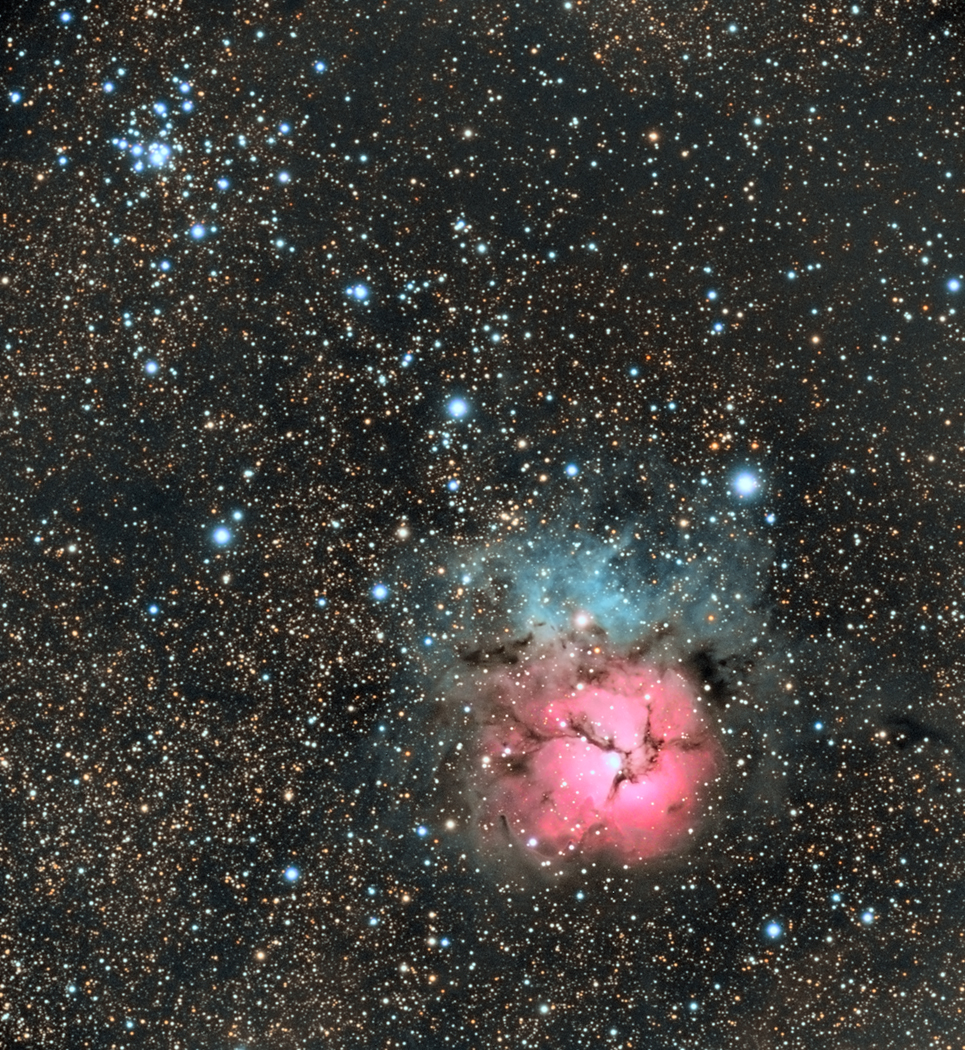
M20 – The Triffid
SVQ-100 Quadruplet Astrograph
Apogee Ascent A694 CCD
Baader LRGB Filters
Atlas EQ6 w/ EQMOD
11x10min Lum, 4x10min Red, 3x10min Green, 3x10min Blue
Total Expose 3.5 Hours
Greene County PA
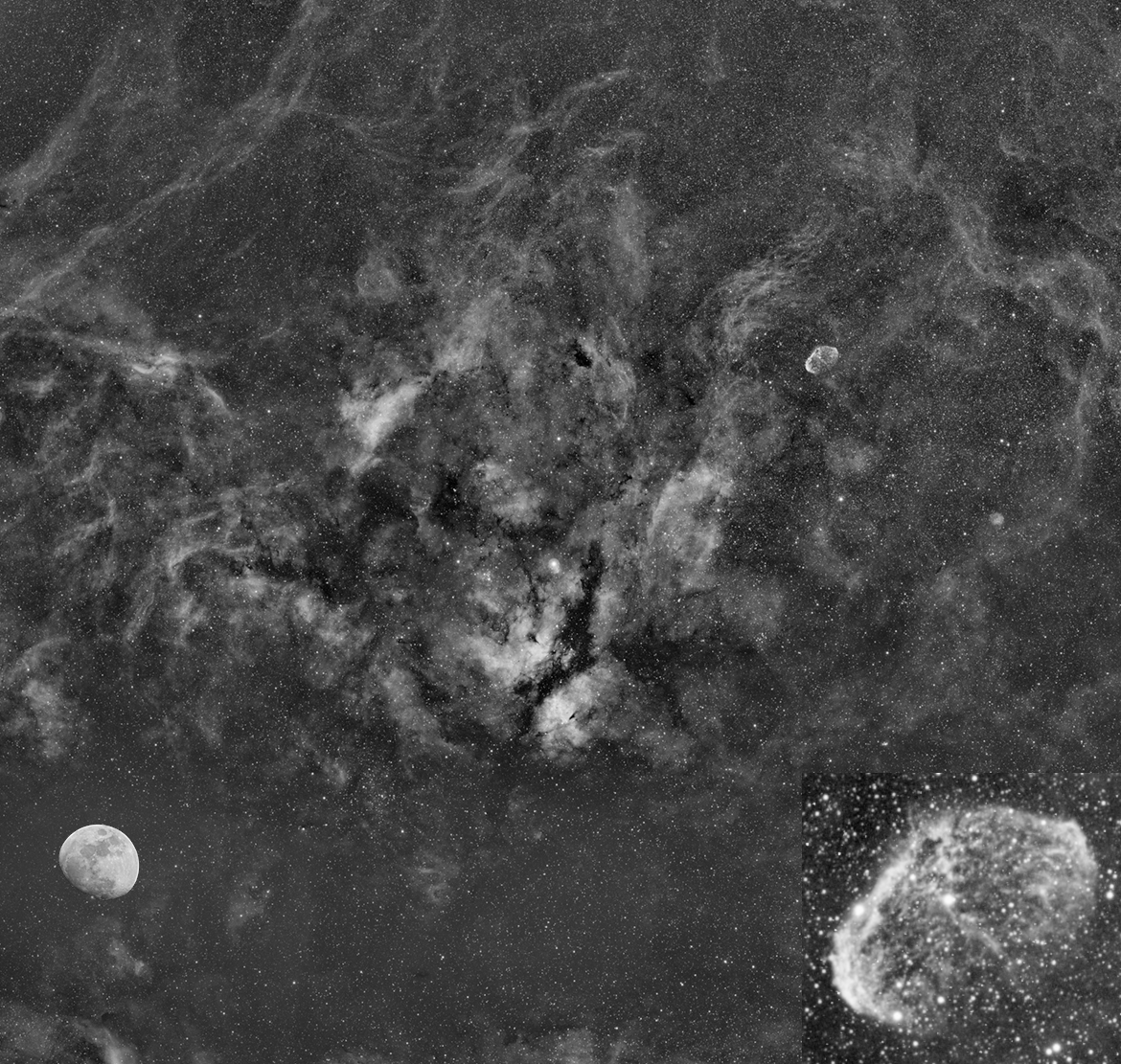
It’s that time of year when Cygnus rises high over head and displays a multitude of nebulous treasure. This mosaic is only a portion of the Cygnus constellation but represents a large patch of sky almost 9 x 9 degrees. This is only a test framing as I create a game plan for a summer long imaging project. For a sense of scale, I have included a gibbous moon which was not part of the original image as well as a full scale crop of the Crescent Nebula, bottom right, to show the full size scale of the original 83 megapixel image.
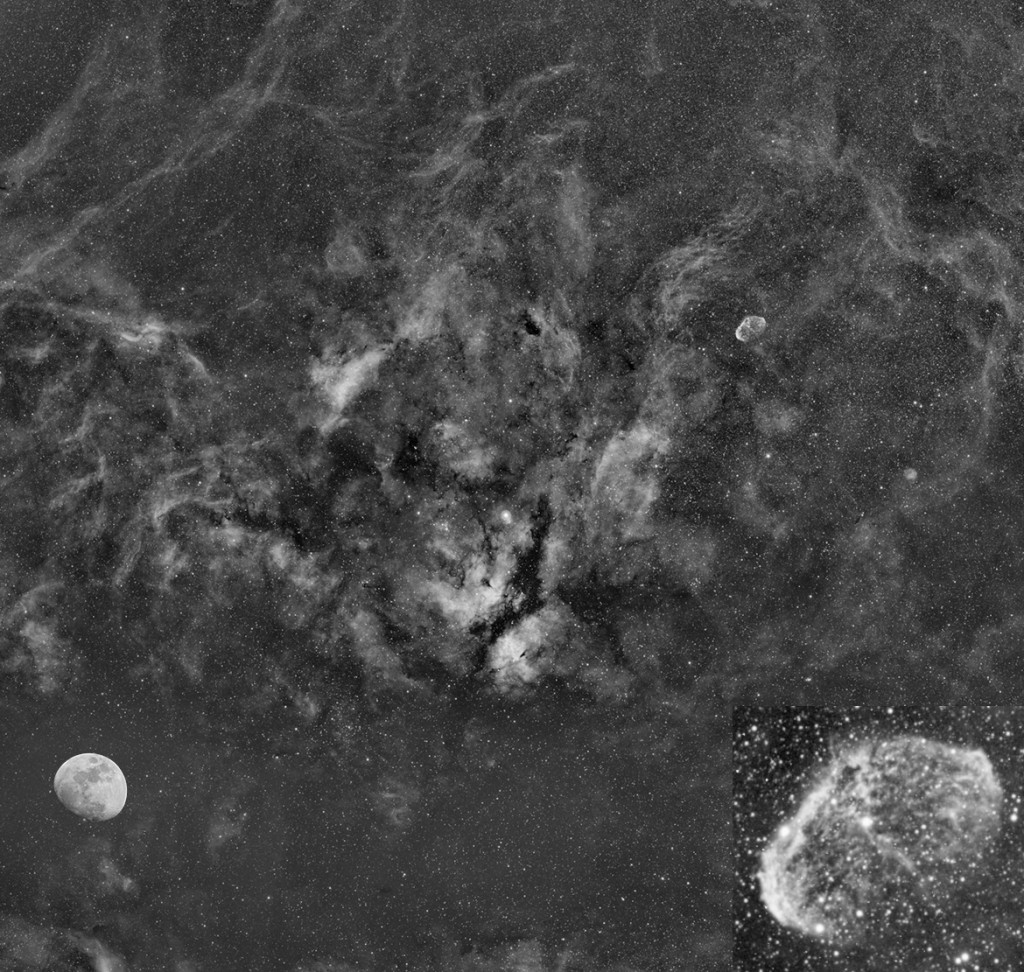
Cygnus Mosaic in Hydrogen Alpha FSQ-106ED Apogee U16 AP900GTO Baader Ha Narrowband Filter 9x20min total exposure
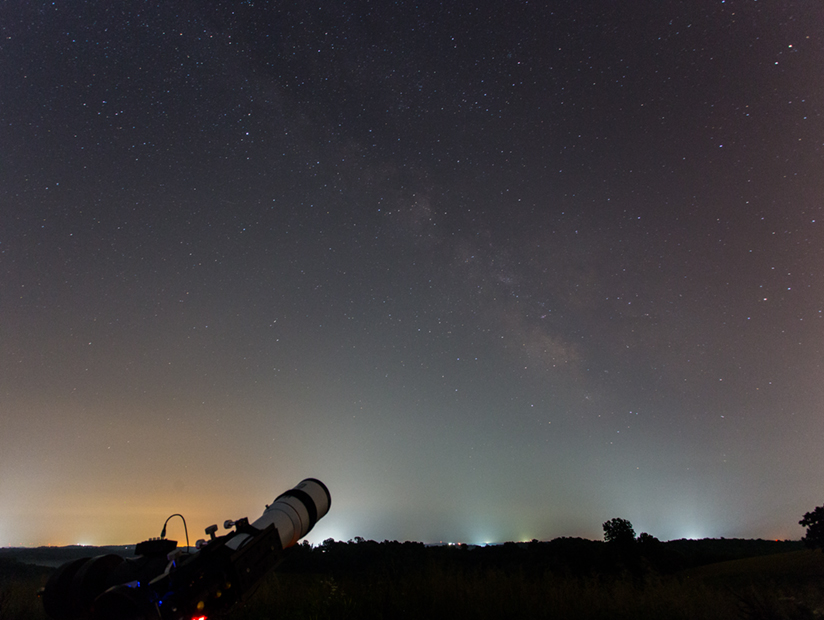
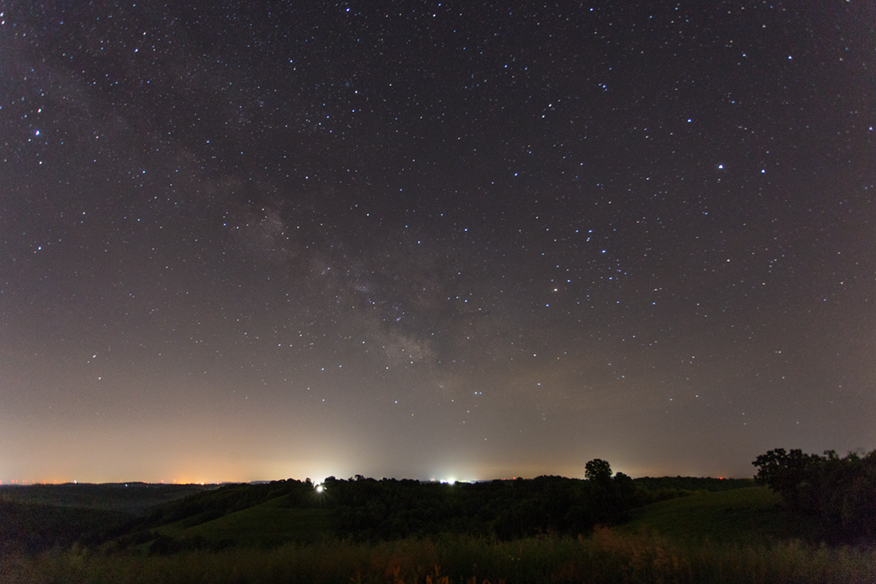
Greene County Site Looking South at the Summer Milky Way. Light pollution is more prominent here now than in past years.
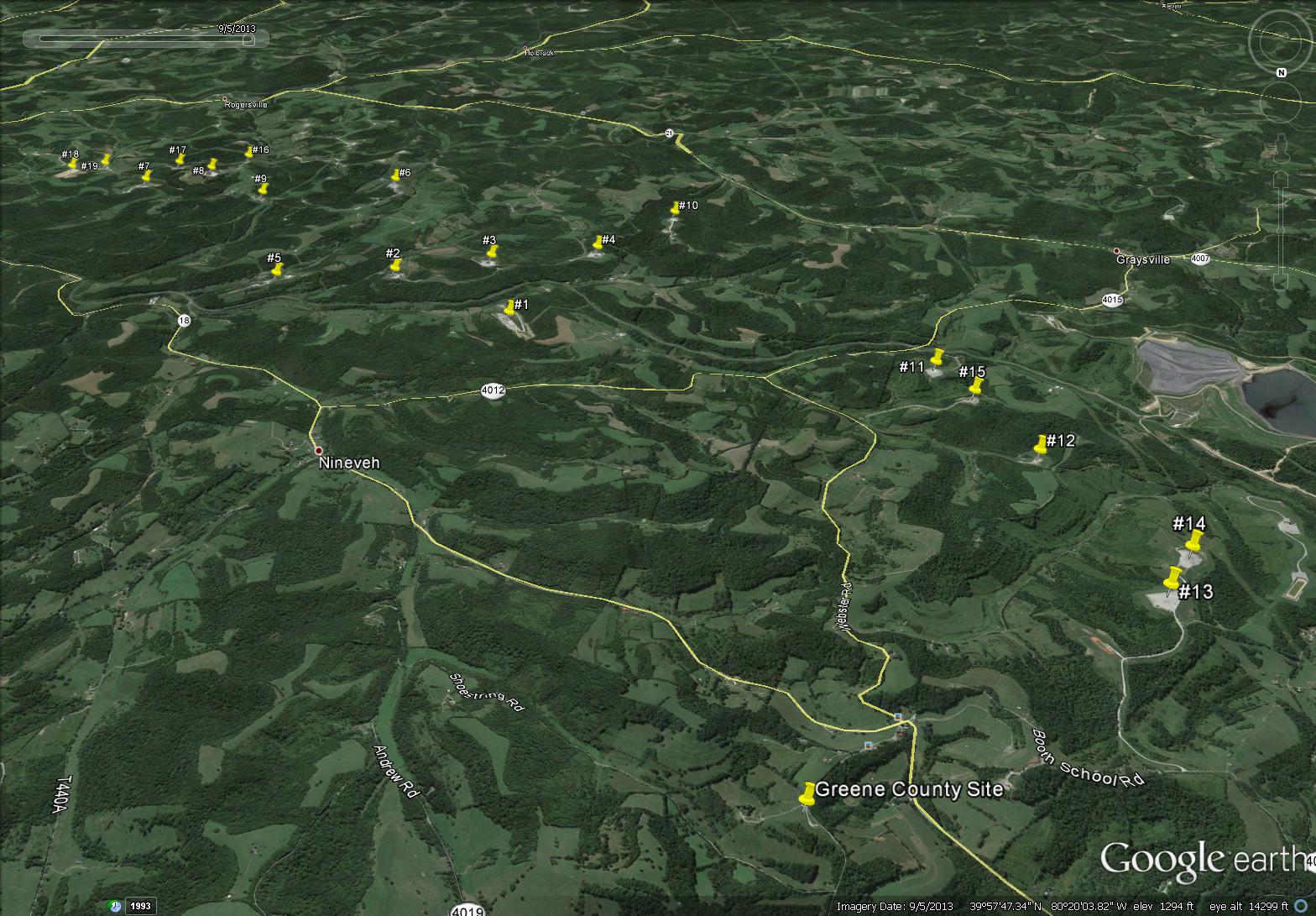
The area around the Greene County Observing Site has seen a lot of new industry construction; most of it related to the Marcellus Shale boom. Take a look at the Google Map view of all the new light sources that weren’t there 3 years ago. About 70% are from the last year alone. #1 is one of the brightest lights seen in the above Southern Milky Way shot.
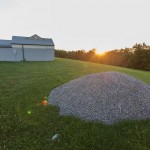
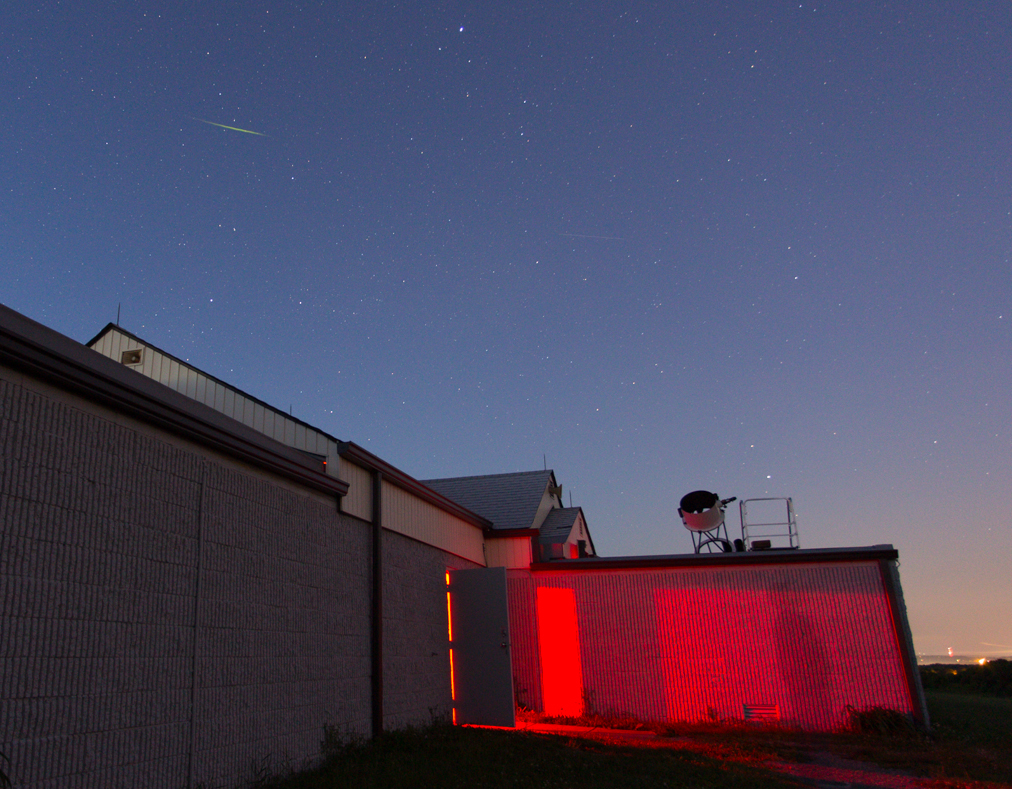
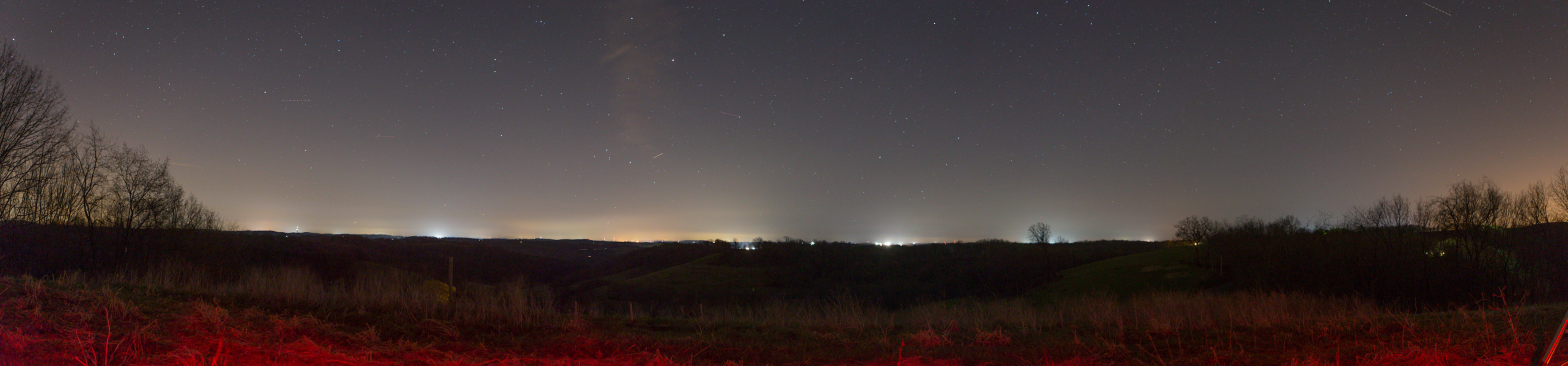
Two of us spent Wednesday night at the Greene County Observing Site. It had been almost 6 months since we’d been there last due to this years cold and snowy winter. As always the light pollution continues to grow everywhere so I took panoramic shots of the site in daylight and at night to show the current lights in the SE and S primarily. Unfortunately, I didn’t take them from the same spot or at the same focal length so they aren’t 100% comparable but they give you an idea.